
1_large.jpg)
By Marike Brits, Netafim Southern & East Africa
Driven by favourable climatic conditions, improved market access and rising global demand, the Zimbabwean blueberry industry experienced remarkable growth in 2025. According to Charles Wright, Sales Manager for Netafim in SADC and East Africa, the sector has witnessed a significant surge in export volumes and revenue, positioning Zimbabwe as a formidable emerging player in the international blueberry market. “The country's unique geographical location and climate play a crucial role. Zimbabwe's blueberry harvest season, which runs from May to October, allows it to supply major global markets during a niche window when other large producers in the Southern Hemisphere are not yet in full production. This strategic timing enables Zimbabwean exporters to achieve higher prices for their produce. Furthermore, the quality and taste of Zimbabwean blueberries are gaining international recognition. The country's ideal growing conditions contribute to the production of high-quality berries that meet the strict standards of discerning international consumers.”
Russel Martin, Sales Manager at Driptech Irrigation in Zimbabwe, says that the approval of the import of Zimbabwean blueberries to China, has generated some excitement amongst emerging blueberry growers and will hopefully drive growth in the future. “This opens a massive market for Zimbabwean producers that was not accessible before. Positive events such as this one supports the notion that there is a lot of potential in this crop, given the growing global demand.” He further reiterates Zimbabwe’s ideal climatic conditions as a driver of market expansion. “Our producers can deliver a quality berry when it matters most, bridging a supply gap in the European market.”
Some Challenges
These positive signals do not mean that the industry is without its challenges. Wright labels property right concerns as a great challenge, especially for investors. Transport also remains a challenge.
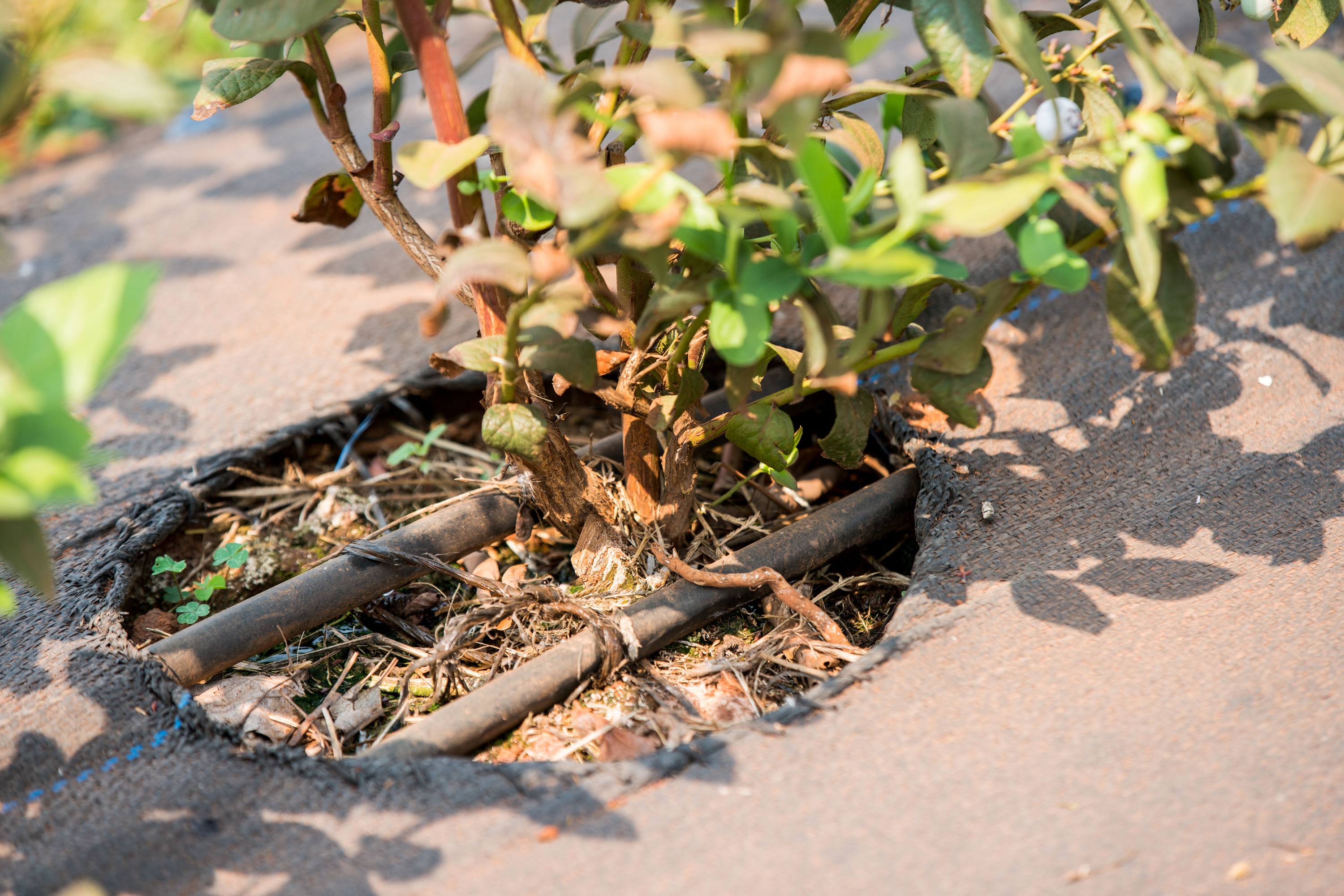
More relevant to the irrigation conversation, Thomas Markram, Technical Advisor in Zimbabwe for Netafim Southern & East Africa, lists electricity challenges and water scarcity as major challenges. “Electricity supply challenges and a lack of cold chain infrastructure in Zimbabwe makes it difficult to store and transport a perishable product such as blueberries.” He adds that water scarcity is a reigning challenge, worsened by climate change, and significantly impacts all farmers in Zimbabwe. “Better water storage and cooperation with other farmers in the same area could help to fairly allocate water between all users.”
Precision Necessity
The potential in the industry is clear, but what is important at production level? How can producers capitalise on the opportunities presented by market expansion. In this context, says Wright, there are several factors that make it clear that precision irrigation is a necessity, rather than a luxury. “Precision irrigation is crucial for successfully producing blueberries in Zimbabwe because of the crop's sensitive nature and the country's specific environmental and economic conditions.”
He says that while most plant characteristics are universal, several factors specific to Zimbabwe make precision irrigation beneficial:
Water Scarcity and Climate: Zimbabwe's climate includes long dry seasons and periods of unpredictable rainfall. Water is a precious and often scarce resource. Traditional irrigation methods such as sprinklers or flood irrigation are highly inefficient, with significant water loss due to evaporation and runoff. Precision drip irrigation uses up to 50% less water compared to other methods, making it a far more sustainable and reliable choice in a water-scarce environment.
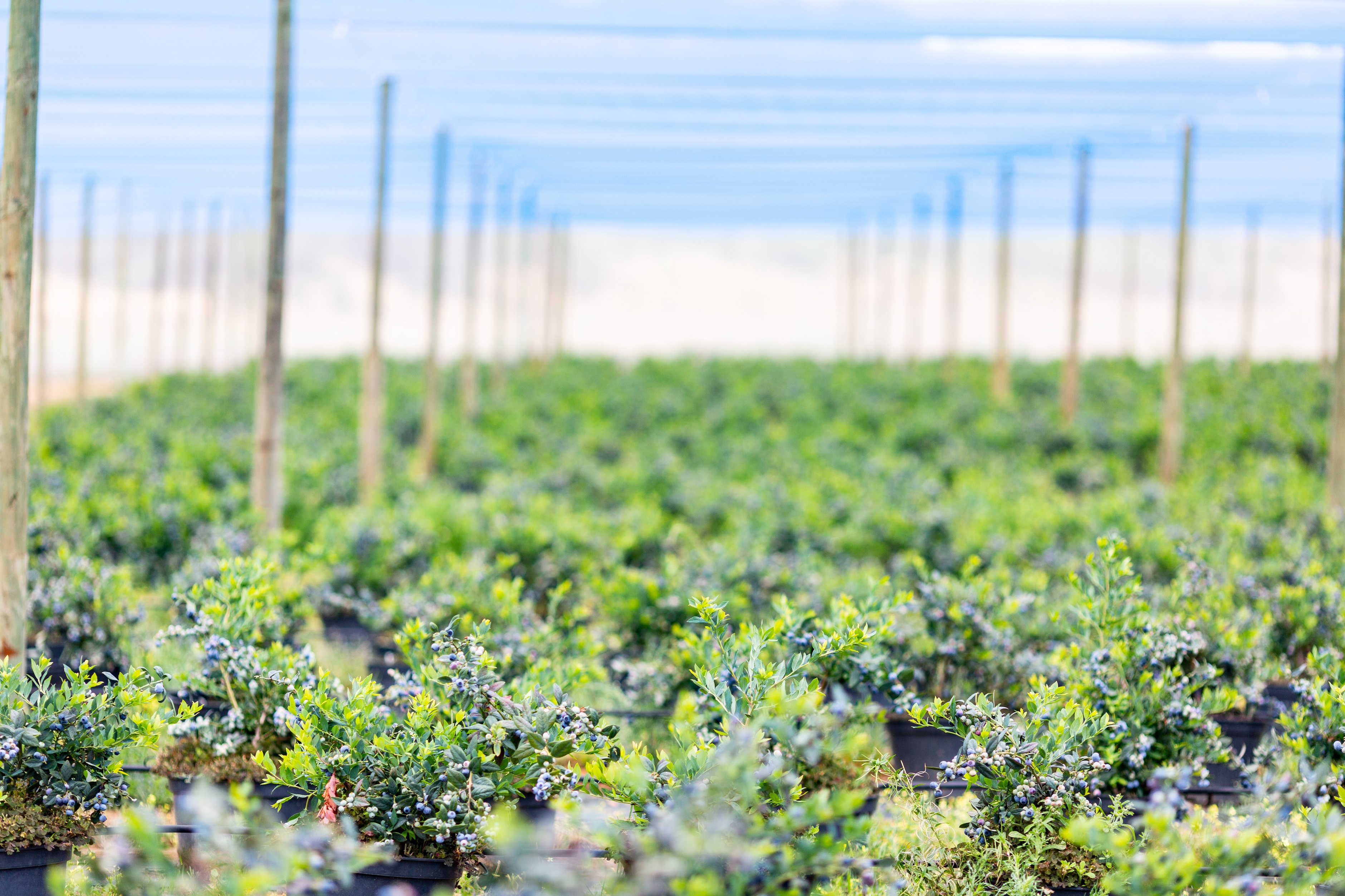
Maximizing a High-Value Export Crop: Blueberries are a lucrative export crop for Zimbabwe, fetching high prices on international markets. To meet the strict quality standards of these markets, concerning size, firmness, and taste, the plants must be grown under optimal conditions. Precision irrigation allows producers to ensure high yields of premium-quality fruit, thereby maximising their return on investment.
Efficient Fertigation: The sandy, acidic soils that are quite common in certain regions of Zimbabwe, have a low cation exchange capacity and it’s critically important to manage fertilizer applications carefully to avoid nutrient losses. Precision irrigation systems allow for fertigation, where fertilizers are dissolved and applied directly to the roots with the irrigation water. This method is highly efficient, reducing fertilizer waste and ensuring the plants receive the exact nutrients they need at critical growth stages. This level of control is essential for producing a high-quality, export-grade product.
Asked why he proposes drip irrigation and other precision practices for blueberry production; Martin explains that blueberries are a fairly demanding crop to grow and require quite specific conditions to really thrive and yield to their full potential. “These plants are sensitive to over and under watering. They are also sensitive to salinity and require an acidic environment. Producers must have control to maximise yields.” According to Martin, precision irrigation, specifically drip irrigation, allows for the necessary level of control. “Farmers can deliver the required fertilizer directly to the plant’s root zone exactly when it is needed. They can maintain a consistent and favourable environment for the plants via this irrigation technique.” He adds that Zimbabwean producers have adopted world class irrigation systems that allow them to consistently grow export grade, high quality fruit.
Martin shares that some of the most important lessons he has learned about blueberry irrigation, supports the need for optimal control and precise management. “I’ve learnt that uniformity is extremely important and that even distribution of water and nutrients to every single plant is vital. It drives even ripening and harvest which is extremely important and helpful to the grower. The first six months after planting are crucial and being able to deliver water directly to the immature root network of young plants efficiently and effectively will really make a difference to its output in the long term.”
Wright adds that Netafim positions itself as a partner in the producer’s success in this plight for precision and optimal production conditions. “We prioritise working alongside producers and sharing knowledge to support them in managing the delicate conditions required to produce blueberries. It is all about ensuring optimal production and preventing reduced yields, and poor fruit quality, all of which could represent a significant financial loss for the grower.”
Beyond the ability of drip irrigation to deliver water and fertilizers directly to the root zone in precise amounts and the benefits that holds, Wright says that drip irrigation enables frequent, short irrigation cycles, that allows the producer to maintain the consistent moisture levels that blueberries require. “Of course, drip irrigation also uses significantly less water and energy compared to traditional methods, leading to cost savings for the farmer and promoting more sustainable agricultural practices in general,” he concludes his list of benefits.
Based on his experience, Martin shares an important tip to remember in precision blueberry production. “I encourage anyone growing blueberries to incorporate as much redundancy into their irrigation system as possible. Blueberries don’t forgive missed irrigations and the loss in yield generally far outweighs the cost of some extra redundancy. Redundancy across water, power, pumps, filtration, fertigation and pipework is a cost-effective method of insurance that ensures you can keep your crop well irrigated and happy even when inevitable breakdowns occur.”
Maintenance, adds Markram, is just as important, especially given how unforgiving blueberries can be. “Maintenance should be done very regularly as every component in the irrigation system is crucial to its successful and reliable operation. I encourage producers to take a seasonal approach to irrigation. For example, as temperatures rise algae starts to bloom which effects the efficiency of our irrigation system and means that certain components must be cleaned more often.” Markram concludes that it is important to ensure that your team is trained on the necessary maintenance activities, and to work with the necessary experts by your side.
