
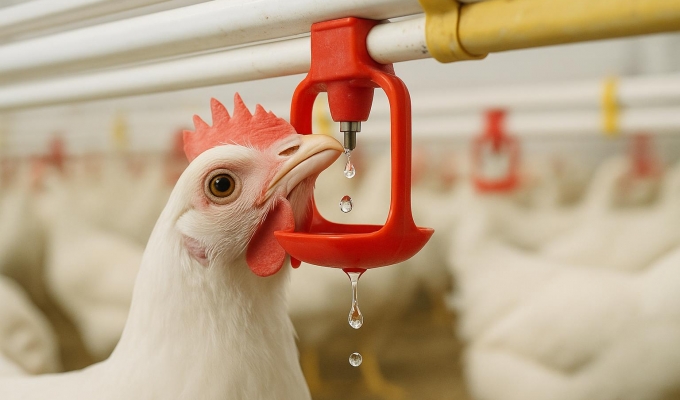
In the daily hustle of managing a commercial laying hen operation, it's easy to focus on feed, lighting, and biosecurity. However, one of the most critical, yet often overlooked, nutrients for your flock is water. Providing a consistent supply of clean, high-quality water is fundamental to bird health, welfare, and optimal egg production. As the Commercial Management Guide for Cage Housing from Hendrix Genetics states, "When birds don’t drink, they won’t eat and cannot grow or produce!".
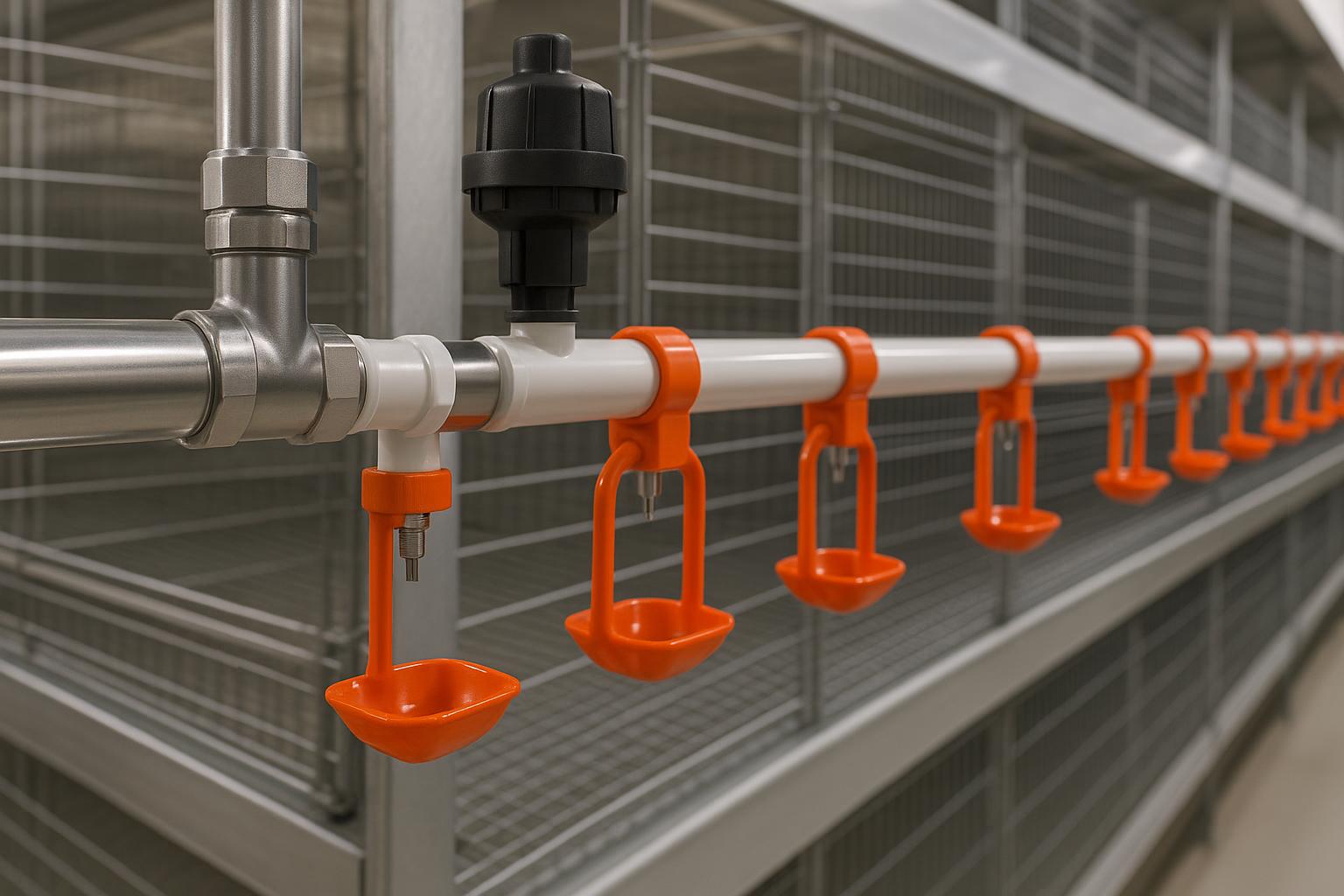
This article explores the essential aspects of water management, from understanding key quality parameters to implementing effective testing and treatment protocols on your farm.
How Poor Water Quality Affects Bird Health and Production
Water is more than just for hydration; it plays a vital role in nearly every physiological function of a laying hen, including digestion, temperature regulation, and egg formation. Contaminated or poor-quality water can have devastating effects on your flock.
- Reduced Consumption: If water is unpalatable due to high mineral content, poor taste, or extreme temperatures, birds will drink less. This directly leads to reduced feed intake, which in turn results in lower egg production and poor growth.
- Disease Transmission: Water can be a primary carrier for harmful bacteria, viruses, and other pathogens. A contaminated water system can quickly spread disease throughout the entire flock, leading to increased morbidity and mortality.
- Biofilm Buildup: Minerals and organic matter in the water can lead to the formation of biofilm on the inside of water lines. This slimy layer protects and harbors pathogens, making them difficult to eliminate and creating a constant source of contamination for your birds.
- Equipment Blockages: High mineral content, particularly iron and manganese, can cause scale buildup that clogs nipple drinkers and water lines, restricting water flow and preventing birds from getting enough to drink.
Ultimately, poor water quality compromises the health of your flock, leading to significant economic losses through decreased egg production, higher medication costs, and increased mortality.
Understanding Critical Water Quality Parameters
To effectively manage your water supply, you must first understand the key parameters that determine its quality. Regular testing is crucial to identify potential issues before they impact your flock. The source of your water—whether from a municipal supply, a well, or a borehole—will determine the initial quality and the frequency of testing required. While piped municipal water is often safe, borehole or well water should be tested at least once a year.
Below are the most critical parameters to monitor, based on guidelines from Hendrix Genetics [1].
|
Parameter |
Good Quality |
Do Not Use |
Potential Impact of Poor Quality |
|
pH |
5 - 8 |
< 4 or > 9 |
Affects palatability; very low or high pH can be corrosive. |
|
Hardness |
>4 <15 dH |
> 20 dH |
Can cause scale buildup in pipes and drinkers. |
|
Nitrates (mg/l) |
< 100 |
> 200 |
High levels can indicate bacterial contamination and affect health. |
|
Iron (mg/l) |
< 0.5 |
> 1.0 |
Promotes biofilm growth and can block drinkers. |
|
Manganese (mg/l) |
< 0.5 |
> 1.0 |
Contributes to scale and biofilm; can cause off-tastes. |
|
Coliforms (cfu/ml) |
< 10 |
> 100 |
Indicates fecal contamination and the presence of pathogens. |
|
Total Bacteria (cfu/ml) |
< 10,000 |
> 100,000 |
High counts indicate general contamination and biofilm risk. |
Testing and Treatment Protocols
An effective water management program relies on a proactive approach to testing and system maintenance.
Regular Testing
Establish a regular schedule for water testing. Samples should be taken from two key locations: the source (where water enters the farm) and the end of the line (the drinker furthest from the source). This helps you determine if contamination is coming from the source or occurring within your water system. While annual testing of the source is a minimum, the water system itself should be checked more frequently, especially during production.
System Cleaning and Disinfection
Water lines should be thoroughly cleaned and disinfected between every flock. This is a critical step to remove any biofilm and scale that has built up. During the production cycle, it may be necessary to clean the system, especially after administering vaccines or medications through the water lines.
Various products containing agents like hydrogen peroxide, chlorine, or organic acids can be used for cleaning. It is essential to follow the manufacturer's instructions carefully.
When using acidic products, be mindful of the water's pH. A pH below 4.0 is effective for disinfection, but if it drops below 3.5, the water can become corrosive and birds may stop drinking [1].
Daily Checks
In addition to scheduled cleanings, daily checks are essential. Ensure that birds can easily find and access the drinkers, that the water flow is adequate, and that the pressure is correct. Simple daily observations can prevent small issues from becoming major problems.
By making water quality a top priority, you are investing in the health and productivity of your flock. A clean, well-maintained water system delivering high-quality water is not an expense—it's a cornerstone of a successful and profitable poultry operation.
References
[1] Hendrix Genetics. Commercial Management Guide: Cage Housing. Version L0260-6, 2020.
