
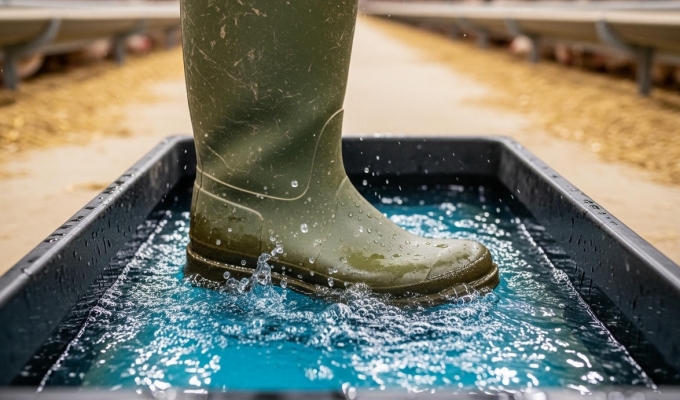
Biosecurity is the foundation of a healthy and profitable laying hen operation. It encompasses all the measures taken to protect your flock from the introduction and spread of diseases. A strong biosecurity program is not a one-time effort but a continuous commitment to safeguarding your birds, your business, and the food supply.
This guide, based on the comprehensive Commercial Management Guide for Cage Housing by Hendrix Genetics 1
, provides practical biosecurity advice for commercial egg producers.
The Three Pillars of Biosecurity
A successful biosecurity plan is built on three fundamental pillars:
1.Isolation: Keeping your flock separate from outside birds and other animals.
2.Traffic Control: Managing the movement of people, vehicles, and equipment onto and around your farm.
3.Sanitation: Cleaning and disinfecting everything that comes into contact with your birds.
By implementing measures that address these three areas, you can create a powerful barrier against disease.
Practical Biosecurity Measures for Your Farm
Implementing a robust biosecurity program involves a series of practical steps that should be integrated into your daily farm management routines.
Housing and Site Security
Your poultry houses are the first line of defense. Ensure they are designed and maintained to prevent entry of wild birds, rodents, and insects. All houses should be bird-proofed with netting and any gaps or holes should be promptly repaired. A perimeter fence around the entire farm site is also recommended to control access.
Personnel and Visitors
People are a primary vector for disease transmission. It is crucial to manage the movement of all personnel and visitors on your farm.
|
Visitor Type |
Access Level |
Biosecurity Requirements |
|
Essential Staff |
Full access to poultry houses |
Shower-in, shower-out; farm-dedicated clothing and footwear |
|
Essential Visitors |
Limited access, only when necessary |
Sign a visitor log, wear protective clothing (coveralls, boots, hairnet) |
|
Non-Essential Visitors |
No access to poultry houses |
Should be kept away from all poultry areas |
All visitors should be required to sign a logbook, indicating their name, company, date, and confirmation of no recent contact with other poultry. Hand washing and disinfection are mandatory before entering and after leaving poultry houses.
Flock Monitoring
Daily monitoring of your flock is essential for early detection of any health issues. Keep a close eye on:
- Feed and water consumption: A sudden drop can be an early sign of illness.
- Production: Monitor egg numbers, size, and quality.
- Mortality: Record and investigate any increase in daily mortality.
Regularly walk through the houses and observe the birds for any signs of disease, such as lethargy, respiratory distress, or changes in manure.
Clean-Up and Disinfection
Thorough cleaning and disinfection between flocks is a critical step in breaking the disease cycle. The process should include:
1.Dry Cleaning: Removal of all manure, feed, and litter.
2.Washing: Using soap and water to clean all surfaces and equipment.
3.Disinfection: Applying a registered disinfectant according to the manufacturer's instructions.
Allow the house to dry completely before placing the new flock. A period of downtime between flocks is also recommended.
Conclusion
Biosecurity is an investment that pays dividends in the form of healthier birds, improved production, and greater peace of mind. By implementing a comprehensive biosecurity program based on the principles of isolation, traffic control, and sanitation, you can protect your flock and your livelihood from the constant threat of disease.
